Published : 2025-12-05
In recent years, the "Goods economy" wave has swept in, with a market size reaching 170 billion, becoming the new hotspot of the consumer market.
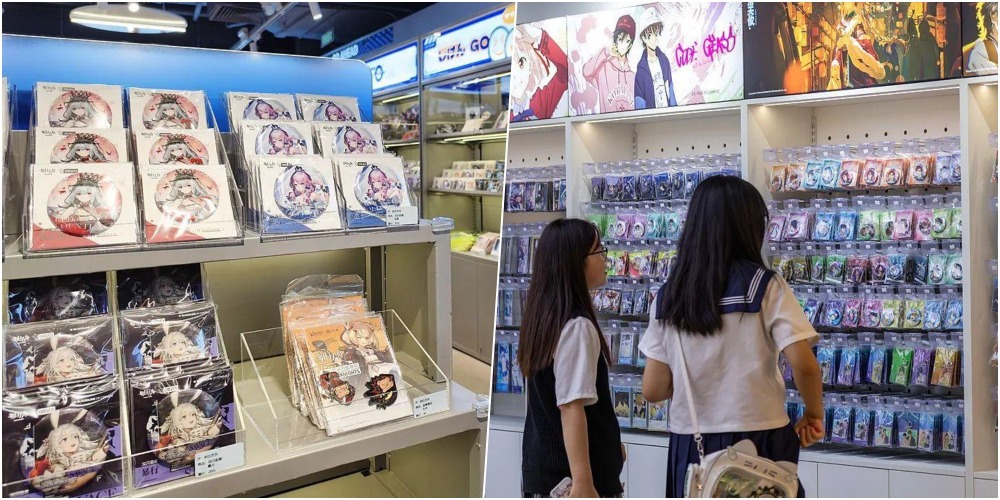
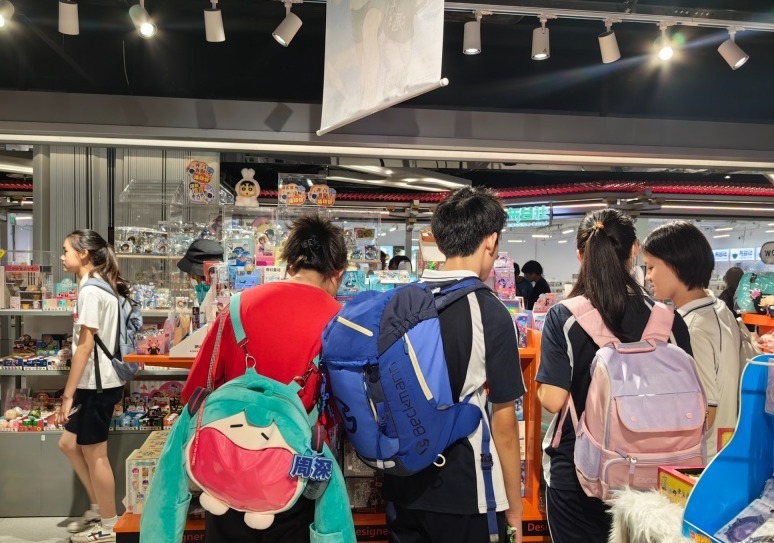
Goods stores are opening one after another in shopping centres, attracting many young people.
What exactly is "goods"? And why is it so sought after by young people?
The goods economy market reaches 168.9 billion with a strong user base
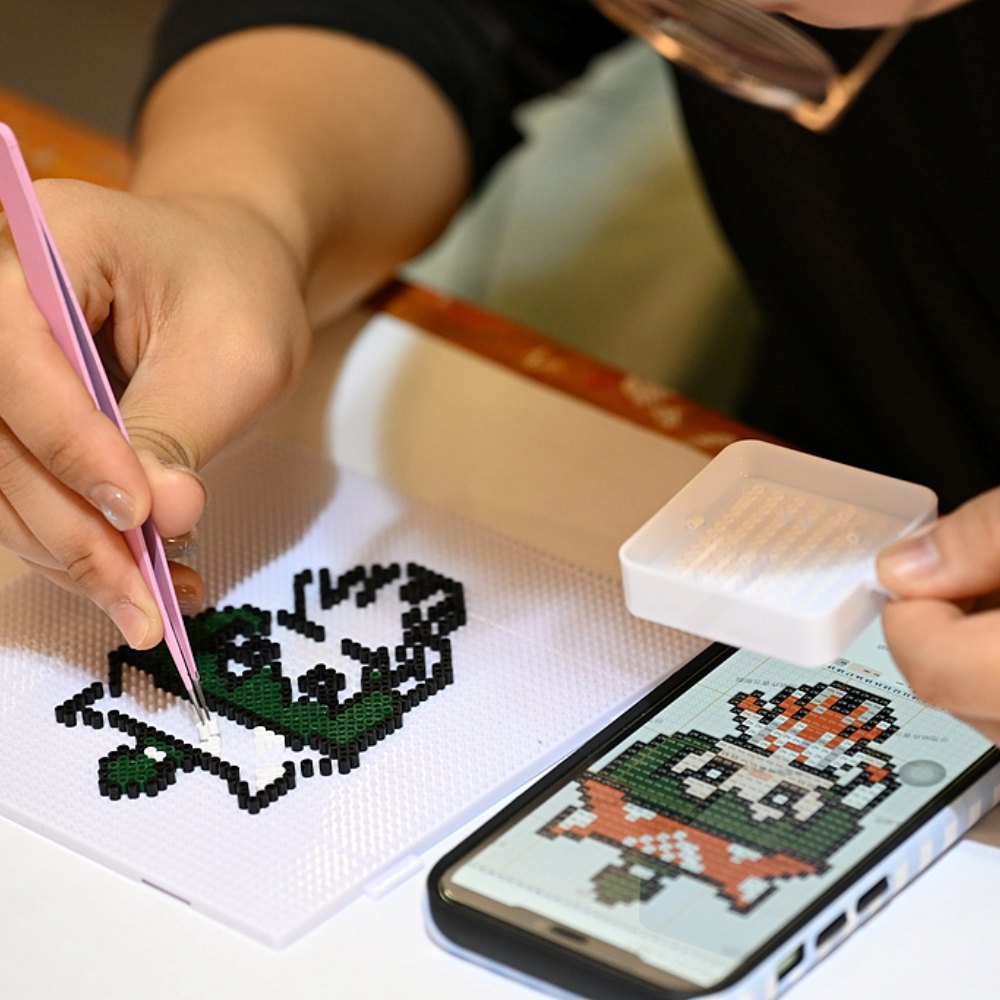
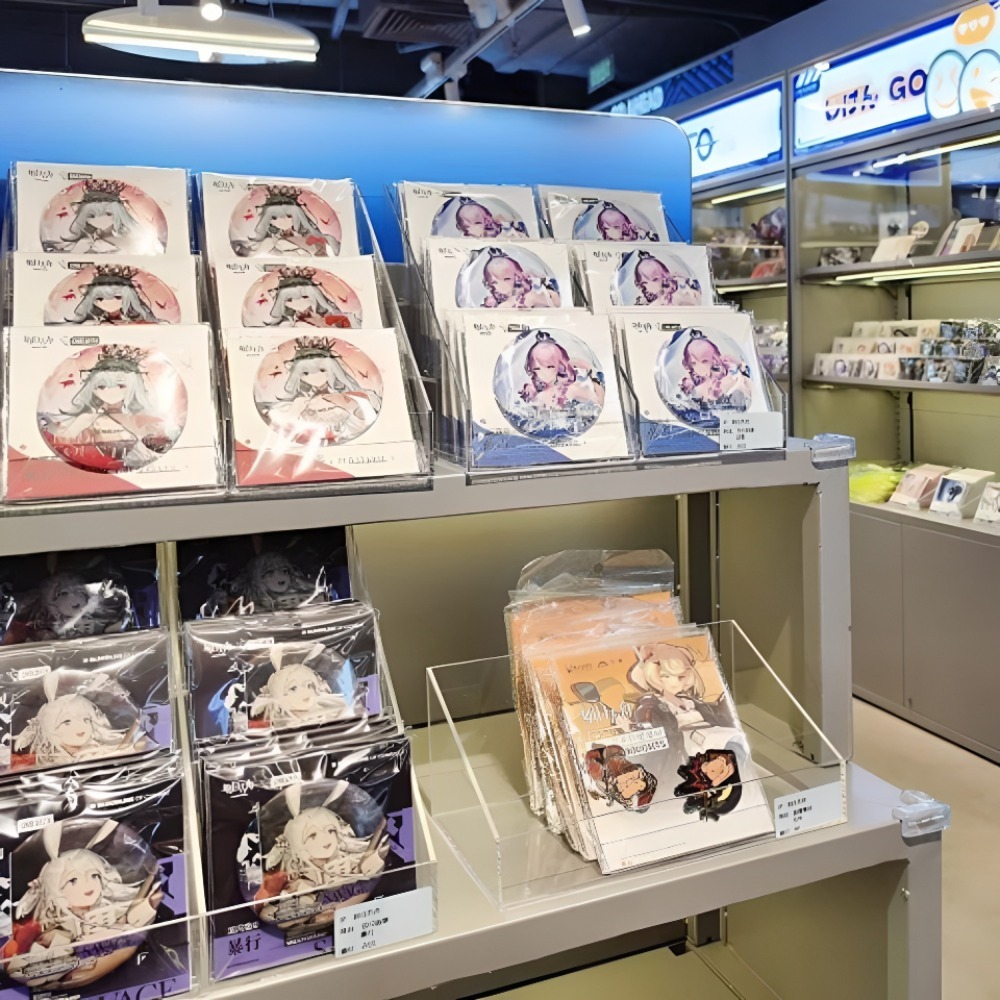
"Guzi"(谷子) is a transliteration of the word "goods", mainly referring to peripheral products derived from IPs such as anime, film and television works, and games, including "baji" (吧唧, a transliteration of "badge"), blind boxes, key rings, acrylic stand, and cards, etc.
"Chi gu"(吃谷) is the act of purchasing these peripheral products.
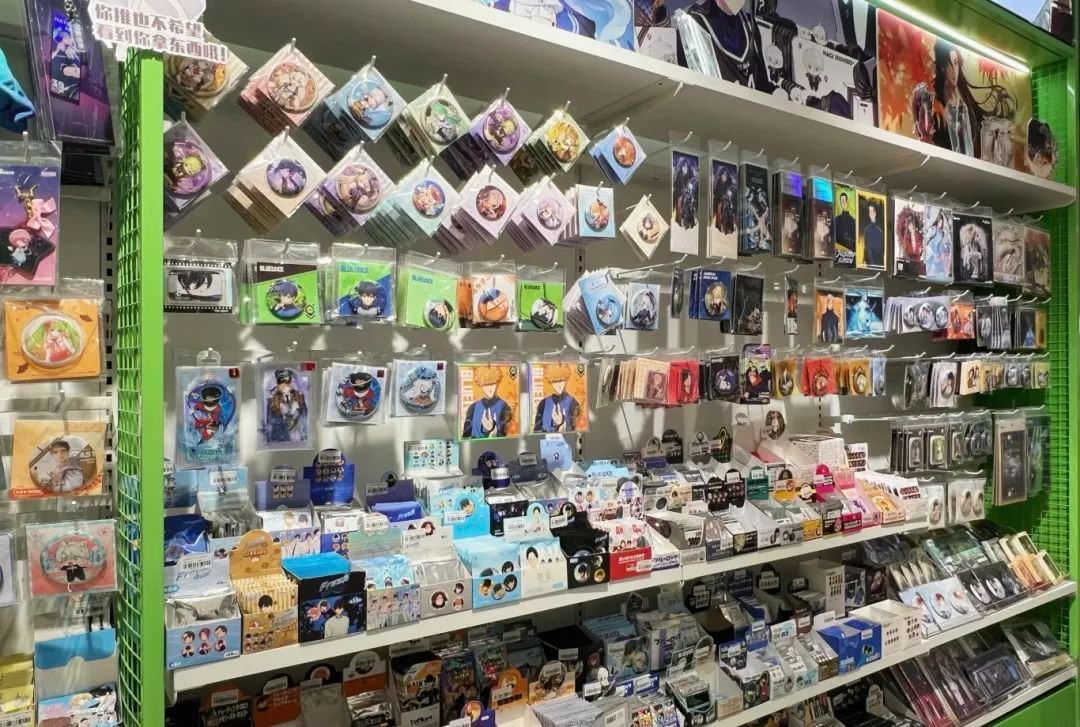
The "2024-2025 China goods Economy Market Analysis Report" shows that in 2024, the market size of China's goods economy reached 168.9 billion yuan (RMB, same currency below), an increase of over 40% compared to 2023.
The market is in a period of high-speed growth and is projected to exceed 300 billion yuan by 2029. From January to November 2024, more than 10,000 new related companies were established, and the number of companies continues to increase.
The new generation of consumers, represented by the post-90s and post-00s, has driven the continuous expansion of the ACG(anime, comics and games) market, with goods gradually breaking out of the ACG culture circle and into the public view.
According to statistics, the number of pan-ACG (including the film and television works) users in China is already approaching 500 million.
This solid user base provides strong support for the goods economy, and user return rates and loyalty are relatively high. They continuously follow new product trends.
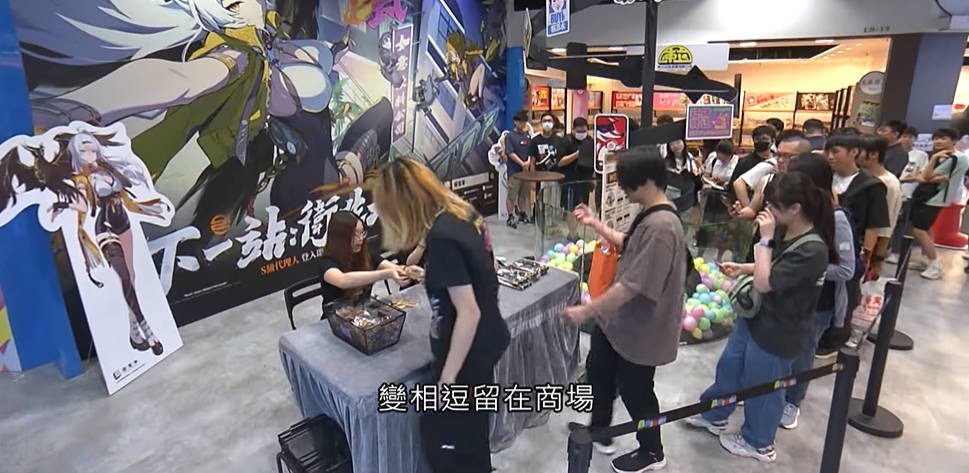
Why have young people fallen in love with "chi gu"?
Young people's love for "chi gu" is not just about a simple commercial transaction. The popularity of goods is, in essence, people paying for emotional fulfillment, while also satisfying young people's needs for personal identity and social interaction.
For young people, the process of collecting goods is like piecing together their own spiritual world bit by bit. Goods as a link between real and virtual, allows consumers to find their spiritual comfort and fulfil their aesthetic needs.
Young people who love "chi gu" also enjoy "shai gu" (showing off their goods) on social media platforms and making "itabags" (which refers to bags covered with goods like anime character pin badges and dolls, "ita" means strange in Japanese).
These acts of displaying their "guzi" collections not only allow them to declare their identity but also help them to quickly connect like-minded people to communicate and share with, forming a unique social culture.
The social attribute of goods further expands the influence and market demand of the goods economy.
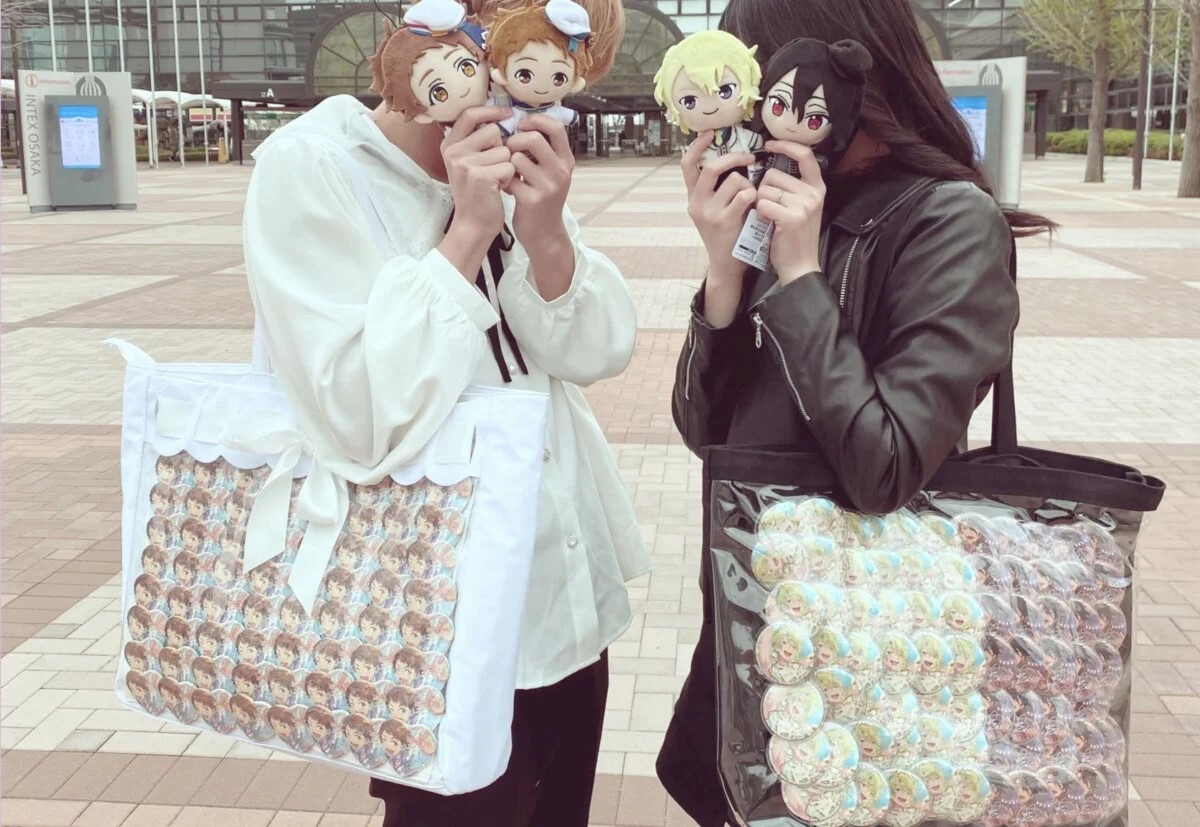
Goods consumers are characterised by purchasing for their interests, paying for a sense of identity, and being influenced by their social circle. They are willing to increase their spending on hobbies like designer toys and ACG peripheral products.
This consumption model of paying for what they love has not only led to the prosperous development of niche markets but also reflects a shift in the consumer mindset of young people, from material satisfaction to emotional connection.
The reasons behind the bloom in the goods economy, in addition to the changes in the consumer mindset and habits of the young generation, include a lower barrier to consumption.
Although limited-edition goods are expensive, regular goods are smaller in size and has a relatively lower price compared to traditional figures, resulting in a lower barrier to consumption.
A badge costing just over ten yuan, or an acrylic stand costing a few dozen yuan, can become an small accessible joy for more young consumers.
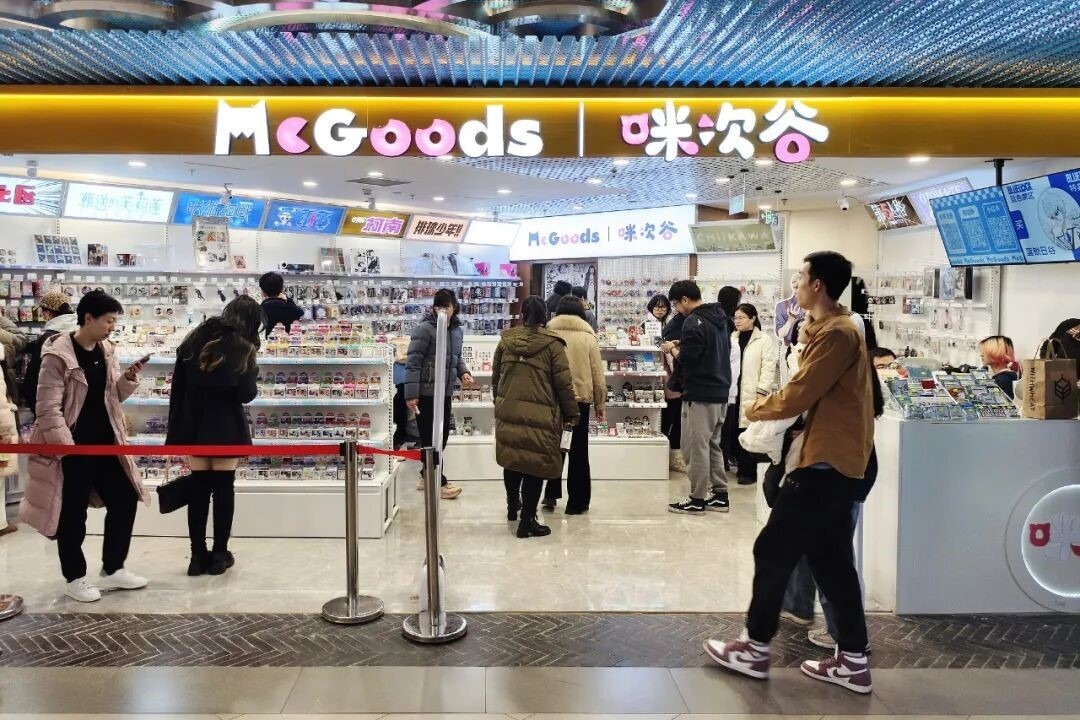
Goods supply capacity keeps pace with demand
Young consumers have a high level of acceptance and a sustainable demand for goods, which generates strong economic spending power. So, can the supply capacity of China's goods industry keep up with the huge demand?
On one hand, the large-scale development of the merchandise economy has driven the growth of multiple industries such as design, manufacturing, packaging, and logistics, and the entire industrial chain of China's goods economy is gradually maturing.
Moreover, the Chinese market has abundant raw materials and a developed light industry, giving it a significant advantage in the manufacturing process.
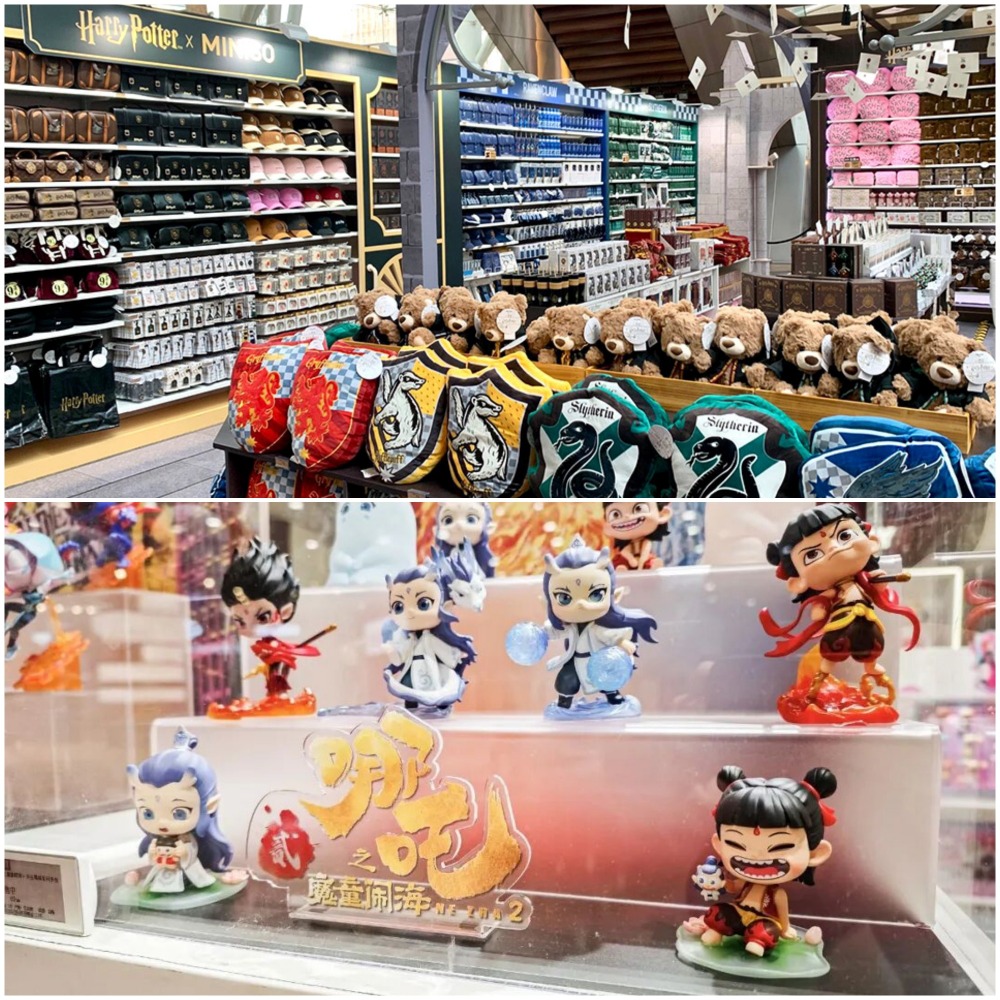
On the other hand, domestic goods is meeting new demands with high quality. Consumers who are enthusiastic about merchandise have higher standards for cultural creativity and product quality.
Companies are continuously launching good products that offer both high quality and low price, meticulously polishing the design and craftsmanship details, and constantly upgrading categories and materials to win market reputation and consumer trust.
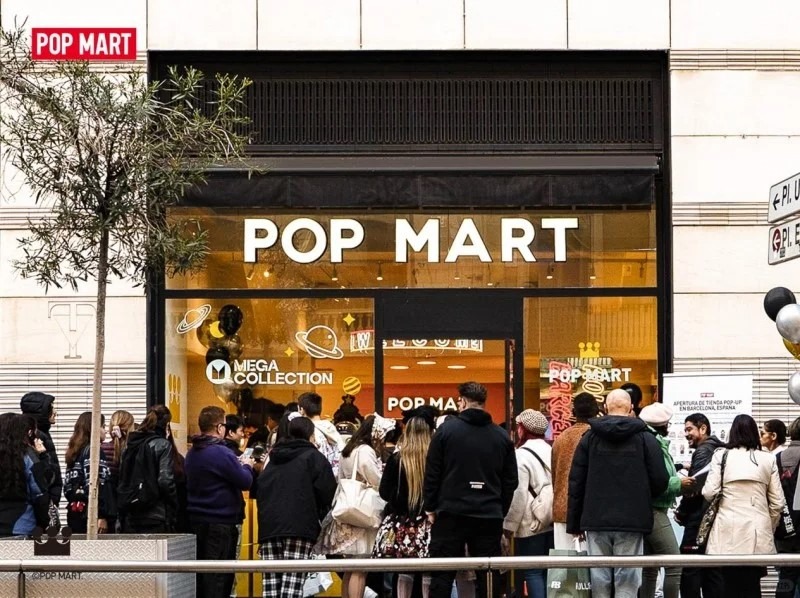
Read more: Pop Mart's Wang Ning Builds a 'Blind Box' Empire; Was the Innovative Idea Inspired by Hong Kong?
How to regulate goods market?
While the goods economy is developing rapidly, it has also given rise to many problems and disputes.
The issue of 'goods buyers facing consumer traps and difficulties in protecting their rights' was ranked eighth on the China Consumers Association's 2025 list of top ten consumer rights protection hotspots.
Amid the craze, it is also necessary to consider how to regulate the industry for its healthy development.
On the one hand, because goods released overseas is not easy to buy, consumers opt for group purchases. Without the protection of a platform, incidents where group purchase organisers abscond with the money and criminals take the opportunity to commit fraud occur frequently.
On the other hand, the age of goods consumers is getting younger, and some follow the trend of buying goods, leading to blind and excessive consumption in order to collect a full set.
At the same time, the phenomena of scalpers maliciously inflating the prices and price inflation are common, and some businesses create consumer anxiety through marketing tactics.
The merchandise economy is not a temporary marketing frenzy, and it must not be allowed to grow unchecked.
Businesses must reject vulgar content and misleading sales tactics.
On the consumer side, parents need to strengthen their supervision of children's goods consumption and help them establish healthy consumption habits.
Regulators need to improve mechanisms for supervision, rights protection, and anti-piracy to protect the legitimate rights and safeguard interests of consumers.
For the goods economy to achieve healthy and long-term development, multi-party collaboration is required to create a regulated and orderly market environment.
At the same time, it is also necessary to focus on the enhancement of cultural value, creating more cultural value and a rich consumer experience.